





Jul
Full-Spectrum CBD for Dogs: What Pet Owners Should Know
Full-spectrum CBD for dogs contains cannabidiol (CBD) along with other naturally occurring hemp compounds, including minor cannabinoids, terpenes, and trace amounts of THC within applicable hemp limits. Although early veterinary research has explored several potential uses, the evidence is still developing and results cannot be applied equally to every dog or every product.
This guide explains what full-spectrum CBD is, how it differs from other hemp extracts, what current research does—and does not—show, and how pet owners can evaluate product quality with their veterinarian.
What Is Full-Spectrum CBD for Dogs?
CBD is one of many compounds found in hemp. A full-spectrum extract retains CBD together with additional cannabinoids, terpenes, flavonoids, and other plant compounds. This differs from broad-spectrum CBD, which is typically processed to remove THC, and CBD isolate, which contains CBD without the broader range of hemp compounds.
The phrase “entourage effect” is often used to describe the theory that hemp compounds may work differently together than they do individually. However, product formulations vary considerably, and the presence of multiple compounds does not guarantee that a product will be effective for a particular dog.
Full-Spectrum vs. Broad-Spectrum vs. CBD Isolate
Full-spectrum CBD
Contains CBD plus other naturally occurring hemp compounds and may contain trace amounts of THC. Pet owners should review the product’s certificate of analysis to confirm its cannabinoid profile.
Broad-spectrum CBD
Contains CBD and selected additional hemp compounds but is generally processed to remove THC. Testing remains important because manufacturing methods and final formulations vary.
CBD isolate
Contains highly purified CBD without the wider range of cannabinoids and terpenes found in full-spectrum or broad-spectrum extracts.
What Does Current Veterinary Research Show?
Veterinary research into CBD is growing, but the evidence remains limited and product-specific. Studies involving one formulation, dosage, or group of dogs do not establish that every CBD product will produce the same result.
Cornell University’s College of Veterinary Medicine notes that research has examined areas such as mobility and stress-related behaviors, while also emphasizing that more research is needed to understand appropriate products and dosing. The American Veterinary Medical Association similarly describes cannabis-derived products for animals as an evolving field that has not followed the traditional FDA approval pathway.
For these reasons, CBD should not be presented as a treatment or cure for anxiety, arthritis, pain, inflammation, seizures, cancer, or other medical conditions. A veterinarian should evaluate persistent symptoms and help pet owners consider possible medication interactions or underlying health conditions.
Safety and Possible Side Effects
Dogs may respond differently to CBD depending on their size, age, health, medications, product formulation, and amount consumed. Reported concerns can include sleepiness, gastrointestinal upset, changes in appetite, and changes in liver enzyme values. CBD may also interact with medications that are processed by the liver.
The U.S. Food and Drug Administration has not approved CBD products for use in animals and has issued warning letters involving unapproved animal-drug claims. Pet owners should discuss CBD with a veterinarian, particularly when a dog takes prescription medication, has liver disease, is pregnant or nursing, or is being treated for a chronic condition.
How to Evaluate a CBD Product for Your Dog
Look for a current certificate of analysis
A certificate of analysis, or COA, should come from an independent laboratory and match the product’s batch or lot number. It should report cannabinoid potency and screening for contaminants such as heavy metals, pesticides, residual solvents, and microbes.
Choose a pet-specific formulation
Products designed for people may contain ingredients that are unsafe for dogs, including xylitol, chocolate, or concentrated flavoring ingredients. Always review the complete ingredient list and use a formulation specifically intended for pets.
Confirm the amount of CBD per serving
The front of a package may show the total CBD in the entire container. Pet owners should also identify the amount per milliliter, dropper, treat, or chew so the serving can be discussed accurately with a veterinarian.
Review the company’s testing and labeling
Clear labeling should identify the extract type, CBD amount, ingredients, serving information, lot number, and access to laboratory results. Avoid products that promise to diagnose, treat, cure, or prevent disease.
How to Discuss CBD With Your Veterinarian
Before adding CBD to a dog’s routine, bring the product label and COA to a veterinary appointment. Helpful questions include:
- Could CBD interact with my dog’s current medications or supplements?
- Are my dog’s symptoms signs of a condition that should be diagnosed first?
- Which side effects or behavioral changes should I monitor?
- Would follow-up examinations or laboratory testing be appropriate?
- What should I do if my dog consumes more than the intended amount?
Pet owners should not stop prescribed medication or substitute CBD for veterinary care without professional guidance.
Choosing Penelope’s Bloom Products
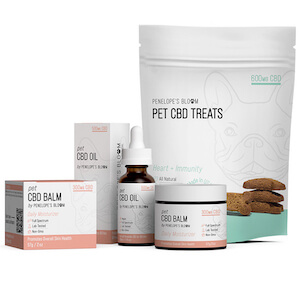
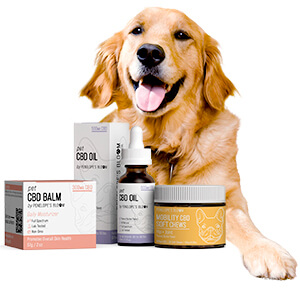
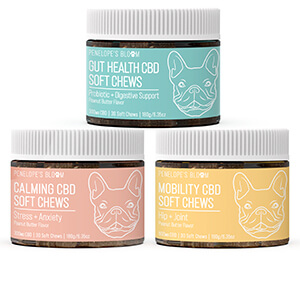
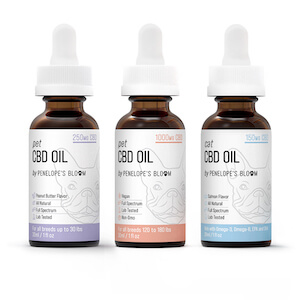
Penelope’s Bloom offers pet-specific hemp products in several formats. Pet owners can review our CBD oils for pets, CBD dog treats, and CBD soft chews. Review the label, serving information, ingredients, and available laboratory report before selecting a product.
Frequently Asked Questions
Will full-spectrum CBD make my dog feel “high”?
Hemp-derived full-spectrum products are formulated with only trace amounts of THC, but product quality and cannabinoid concentrations can vary. Verify the THC result on the batch-specific COA and store all hemp and cannabis products securely.
How quickly does CBD work in dogs?
There is no universal timeframe. Absorption can vary by formulation, whether the product is given with food, and the individual dog. A veterinarian can help establish appropriate expectations and monitoring.
Can I give my dog a CBD product made for people?
Human products may contain unsafe ingredients or concentrations that are difficult to measure for a dog. Use a pet-specific product and discuss it with your veterinarian.
How should CBD products be stored?
Follow the label’s storage instructions, keep the product away from heat and direct sunlight, and store it securely beyond the reach of pets and children.
Trusted Resources
- FDA: Regulation of Cannabis and Cannabis-Derived Products
- Cornell University College of Veterinary Medicine: CBD Uses and Evidence
- American Veterinary Medical Association: Cannabis Use and Pets
This article is for educational purposes only and is not a substitute for veterinary diagnosis or treatment.
